The Power of Environment
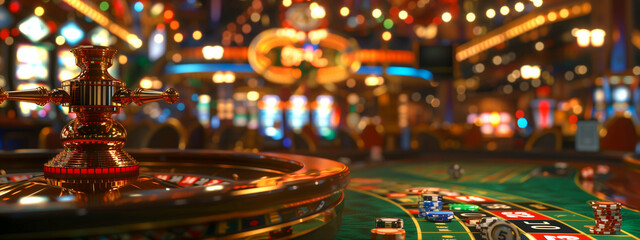
Casinos are designed to create an immersive experience that distracts players from the outside world. Through careful manipulation of lighting, sound, and layout, casinos craft a unique atmosphere that enhances emotional responses. The absence of clocks and windows keeps players inside longer, promoting a sense of timelessness that can lead to extended gaming sessions. Additionally, engaging in non gamstop betting can also complement this experience for some players.

Bright lights and vibrant colors are strategically placed to draw attention to certain games and slot machines. This sensory overload not only captures players’ attention but also stimulates excitement, making it harder to resist the urge to play. As players become enveloped in this carefully curated environment, their decision-making processes are subtly influenced, often leading to increased gambling behavior.
The Role of Rewards and Reinforcement
Casinos leverage the psychology of rewards to keep players engaged. This concept, known as operant conditioning, suggests that behaviors followed by positive outcomes tend to be repeated. In gambling, the intermittent rewards—like winning a jackpot or receiving free spins—create a thrill that encourages players to stay and play longer.
The unpredictability of these rewards also plays a crucial role. When players do not know when they might win, they are more likely to continue playing. This creates a cycle of hope and anticipation, which casinos capitalize on to ensure players remain invested in their gaming experience, often leading to repeated visits.
The Illusion of Control
Another psychological tactic employed by casinos is instilling a sense of control in players. Many games, especially table games like poker and blackjack, provide players with mechanisms to influence outcomes through their decisions. This illusion of control can lead to increased play, as players believe their skills can affect the outcome, even in games governed largely by chance.
This perceived control can also lead to what psychologists call the «gambler’s fallacy,» where players think that previous outcomes will influence future results. For example, if a player experiences a series of losses, they may feel that a win is «due» and continue gambling in an effort to regain control over their luck.
The Impact of Social Dynamics
Casinos are social spaces that encourage interaction among players. This communal experience can enhance emotional engagement and foster a sense of camaraderie, which in turn can influence individual gambling behavior. The presence of others can amplify excitement and create a competitive atmosphere, driving players to gamble more than they might alone.
Moreover, casinos often employ staff who are trained to engage players, offering personalized attention that enhances the overall gaming experience. By providing a welcoming and social environment, casinos effectively increase the time and money players are willing to invest in their games.
Exploring More About Casino Psychology on Our Website
This website serves as a valuable resource for those interested in understanding the intricate dynamics of gaming psychology. While some pages may be restricted, we continually strive to provide insightful information and tools that enhance user experience. Visitors are encouraged to explore various sections of the site to discover more about the fascinating intersection of psychology and gambling.
By delving deeper into these subjects, readers can gain a better understanding of how casinos operate and the psychological techniques they use to create compelling gaming experiences. Whether you’re a casual player or a seasoned gambler, knowledge is your best ally in navigating the gaming world.